
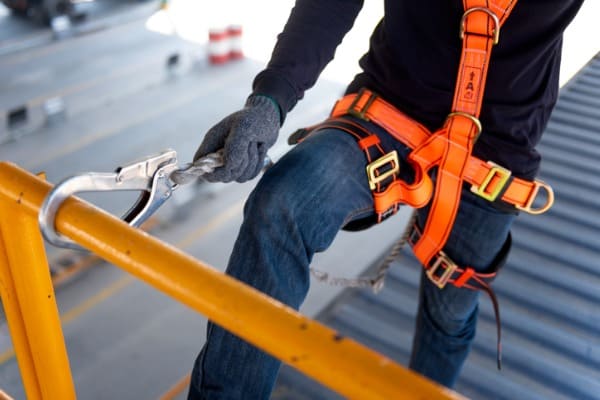
Anyone running a business understands the pressing need for ensuring workplace safety, which can save thousands of dollars’ worth of losses and prevent legal complications that would arise due if an employee gets injured on the job.
For that reason, keeping your employees safe should be at the top of your priorities to ensure that you have a risk-free and healthy environment.
This should also guarantee that your workplace complies with the regulations and standards of your state.
With that said, here are some tips to help you maintain a safe workplace environment.
Quick Navigation
Workplace Safety Policies
Workplace safety policies should be well updated and within eyeshot of all employees, especially if the workplace in question is liable to accidents or injuries.
You must ensure that your safety policies are up to par with local safety regulations; thus, doing so will help you by miles in avoiding potential dangers.
Workers must also be fully aware of these policies, so make sure that everyone has read them at least once.
Employees must also be aware of the OSHA standards applied to their particular industry, so be sure that they are as accessible as your workplace regulations.
Proper Employee Training
There is no better way of teaching employees something than with a proper training program.
Most workplaces provide their employees with proper safety training before they let them anywhere near tools, machines, or any type of hazardous equipment.
The Atlanta-based personal injury attorneys over at https://adamsoncleveland.com/athens explain that training programs should cover all the safety regulations you want your employees to be privy to (like OSHA standards and state safety policies) as well as how to operate heavy machinery and equipment in the workplace.
Note that employees must all have a High-Risk Work license to handle certain machines or work in certain conditions.
Like all licenses, the High-Risk Work license is bound to expire, so be sure that your employees renew it on time.
Appropriate Work Attire
Naturally, employees working in construction sites, factors, or any potentially hazardous workplace will be equipped with power tools and heavy machinery, so regular work clothes wouldn’t do much in terms of protecting them.
Therefore, they should be supplied with proper workwear when operating these devices. Make sure that your employees are wearing the right type of shoes and Personal Protective Equipment (PPE).
While this might sound like an insignificant detail, employees must have clothes that fit right, as this will help them operate potentially hazardous equipment and heavy machinery more effectively.
You should be aware that PPE is not a standardized type of protective gear, as different industries need different types of equipment.
For instance, industrial workwear essentially protects against UV rays, fire, and shock, so they’ll be made of sturdy fabrics.
On the other hand, medical personnel use PPE that prevents bacteria contamination, so the fabrics will be made of antibacterial material.
Hazardous Zones Labels
Safety training is a good way of driving your point home, but once you use hazardous zones labels, you’ll soon find that they have an equal and instantaneous effect when it comes to maintaining safety.
There’s no way that your employees can miss the yellow labels on dangerous equipment or areas, so make sure that you label any hazardous zone with its designated signage for optimal safety.
You can also couple your labels with painting black and white stripes on the floor, but make sure that both stripes and labels are properly positioned and made visible to all employees.
Emergency Procedures

Fires, floods, or even earthquakes can occur unprompted and unannounced, so there’s no way to prepare your employees for emergencies if they’re not already familiar with some sort of an emergency procedure.
Emergency procedures should contain a sound emergency management plan, response and evacuation training, and a proper insurance plan.
To that end, you should be able to identify potential risks to your business, know how to protect your assets from natural disasters, and predict them by keeping up to date with the bureau of meteorology and social media news.
Moreover, make sure that your employees are aware of basic emergency procedures, like knowing the nearest exit to a building, maintaining calm, and preventing the spread of false rumors, as that will make the task of maintaining safety even harder.
Make an Inventory of All Chemical Products
Workplaces can have an array of chemicals that are not necessarily being actively used but are still taking up space.
While you do not have to get rid of these chemicals if you might need them later on, you must store them safely to avoid any potential hazards.
For example, a 5-gram bottle of a potent chemical like ether might become unstable over time, turn into explosive peroxide, and cause an injury upon contact.
According to OSHA’s Hazard Communication Standards, one of the best ways to deal with this safety hazard is by making an inventory of all chemical products in your workplace and clearly labeling their expiration dates to know when to dispose of them safely, and avoid serious injuries to your employees in the process.
Lockout Procedures
Most organizations have certain lockout procedures in place, yet, many struggles to execute them when needed.
For instance, some employees might go home leaving their lock on the equipment they used during their shift, which can force the next worker on duty to cut these locks.
Some workplaces might also use wires to keep hazardous equipment stored safely instead of using a sturdy chain to lock them away.
Failure to adhere to proper lockout procedures usually occurs due to lack of complacency, unfamiliarity with the equipment, or hurriedly finishing up the work, irrespective of the safety of lockout procedures.
The only way to fix this is by thoroughly training employees on lockout procedures and making sure that they’re qualified to execute them before operating any potentially hazardous equipment.
There are a lot of factors to consider when it comes to maintaining safety at your workplace. However, proper planning and training can effectively help you achieve this.
Make sure to carefully consider the factors mentioned here and always consult a personal injury lawyer to know the best course of action should an accident occur in the workplace despite your best efforts.